How to Build a Weight Loss Plan That Actually Works
Creating a weight loss plan can seem overwhelming. However, with the right steps, you can build a plan that is effective and sustainable. This article will guide you through the process, providing clear methods and practical tips to achieve your weight loss goals.
Set Clear and Realistic Goals
Before starting any weight loss plan, it is important to set achievable goals. Define how much weight you want to lose and within what timeframe. For example, a common goal is to lose 1 to 2 pounds per week. This will help you create a plan that is realistic and attainable.
Specific vs. General Goals
- Specific Goal: “I want to lose 10 pounds in 8 weeks.”
- General Goal: “I want to be healthier.”
Specific goals provide clarity and motivation. They allow you to measure your progress effectively.
Assess Your Current Diet and Lifestyle
Understanding your current habits is essential. Take a week to track what you eat and your physical activity. Write down everything you eat and drink, along with your exercise routines. This will help you identify patterns and areas for improvement.
Tools for Tracking
You can use apps like MyFitnessPal or Lose It! These tools make tracking your food and activity easier and more accurate.
Choose a Balanced Diet
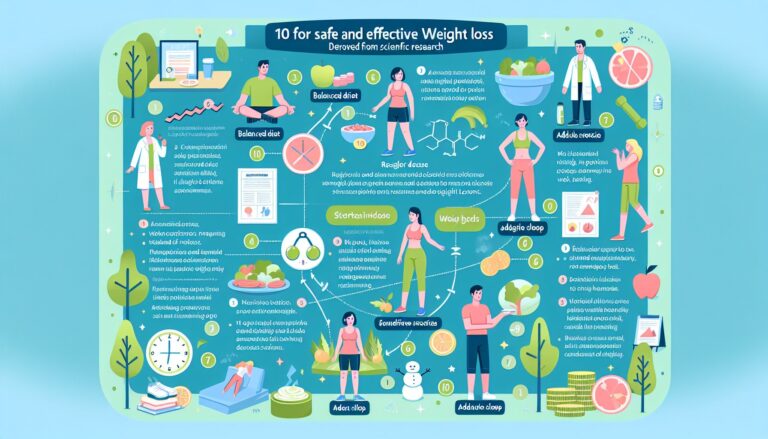
A balanced diet is crucial for weight loss. Focus on whole foods, including:
- Fruits and Vegetables: Aim for a variety of colors on your plate. This ensures you get different vitamins and minerals.
- Lean Proteins: Include chicken, fish, tofu, and legumes. Protein helps build muscle and keeps you full.
- Whole Grains: Choose brown rice, quinoa, and whole grain bread over refined grains. Whole grains provide more nutrients and fiber.
- Healthy Fats: Incorporate avocados, nuts, and olive oil. These fats can keep you satisfied and help with nutrient absorption.
Avoid highly processed foods, sugary drinks, and excessive snacks. These can add empty calories and hinder your progress.
Create a Sustainable Exercise Routine
Exercise plays a key role in any weight loss plan. Aim for a mix of both aerobic activity and strength training.
Types of Exercises
- Cardio: Activities like walking, running, cycling, or swimming can help you burn calories.
- Strength Training: Use weights or resistance bands to build muscle. Muscle burns more calories at rest than fat does.
Start with 150 minutes of moderate aerobic activity per week. Include strength training two or more days a week.
Stay Hydrated
Drinking enough water is essential for weight loss. Aim for at least 8 cups of water each day. Staying hydrated helps control hunger and improves metabolism. Sometimes thirst is confused with hunger, so drinking water before meals can help you eat less.
Monitor Your Progress
Regularly check your progress to keep yourself accountable. Weigh yourself weekly at the same time and under similar conditions. Tracking your progress can motivate you to stay on track.
Adjust the Plan as Needed
If you find that you are not meeting your goals, review your diet and exercise routine. Adjustments may be necessary to continue making progress.
Seek Support
Having a support system can greatly enhance your weight loss journey. Share your goals with friends, family, or join a weight loss group. Engaging with others who share similar goals can provide encouragement and motivation.
Online Communities and Resources
Consider joining online forums or social media groups focused on weight loss. Websites like Weight Watchers or MyFitnessPal can offer inspiration and tips from others.
Be Patient and Stay Positive
Weight loss takes time and effort. Remind yourself that setbacks are part of the process. Celebrate small victories along the way, such as choosing a healthy meal or completing a workout.
Mindset Matters
Keep a positive attitude. Focus on the benefits of a healthier lifestyle rather than just the number on the scale. This approach can help you stay committed to your weight loss plan.
Consider Professional Guidance
If you find it difficult to create a plan on your own, consult a registered dietitian or nutritionist. They can provide personalized advice based on your specific needs and goals.
Explore Additional Weight Loss Aids
For some, medical options may assist with weight loss. One such option is retatrutide pens for sale. Discuss these possibilities with your healthcare provider to see if they are right for you.
Conclusion
Building a weight loss plan that works requires careful planning and commitment. Set clear goals, assess your habits, create a balanced diet, establish an exercise routine, and seek support. Remember, patience is key. With these steps, you can develop a plan that supports lasting weight loss.
For additional resources on weight management, check out CDC’s Healthy Weight and explore NHS’s weight loss advice. These credible sources offer further guidance to support you on your journey.
By taking these steps, you will not only lose weight but also foster a healthier lifestyle overall.