10 Science-Backed Strategies to Lose Weight Safely and Effectively
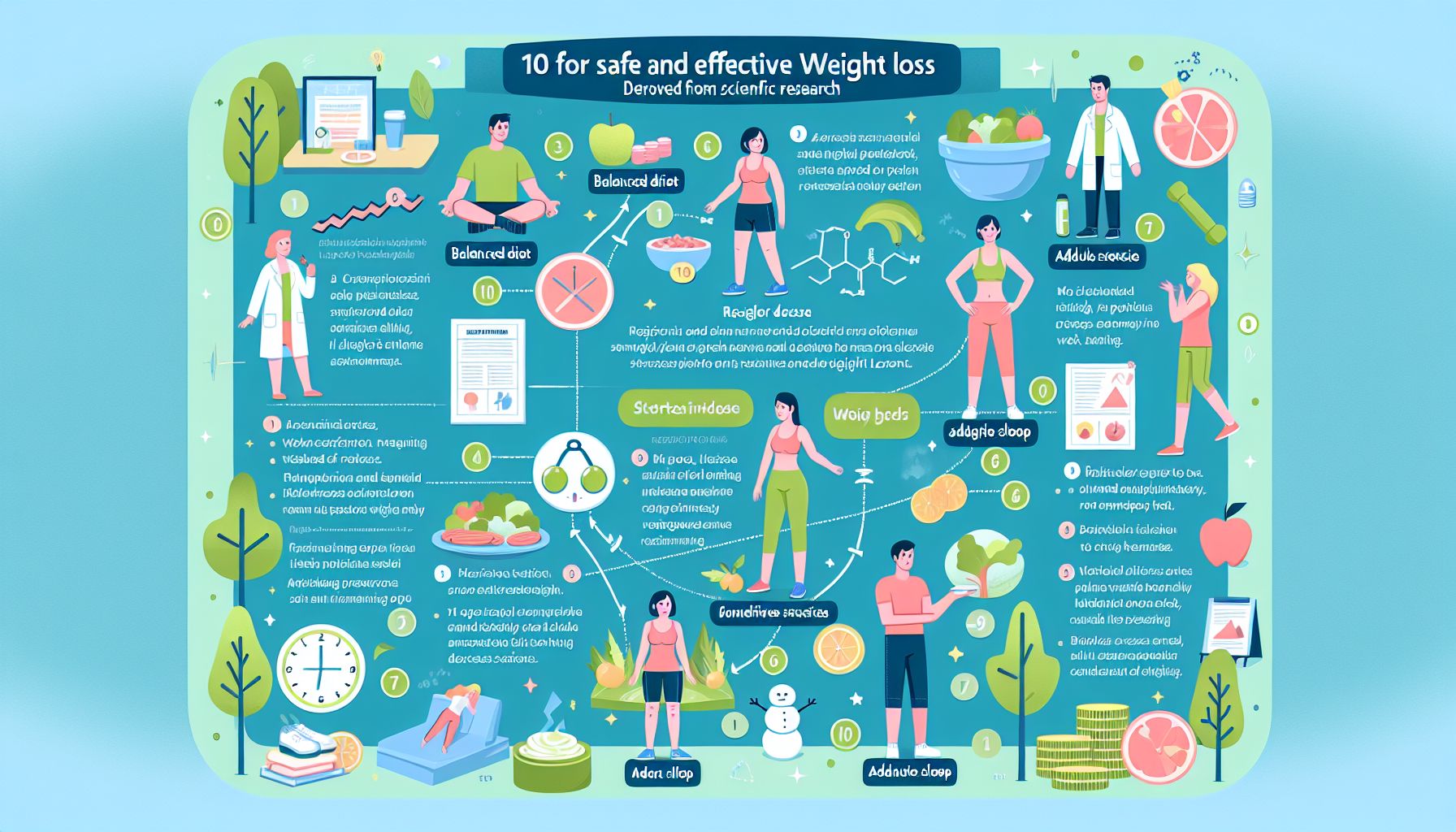
Losing weight can be challenging, but evidence-based strategies can make the process safer and more effective. Below are ten science-backed strategies to help you achieve your weight loss goals.
1. Set Realistic Goals
Setting realistic goals helps maintain motivation. Aim for a weight loss of 1 to 2 pounds per week. This goal is achievable and safe for most people. Track your progress regularly to stay accountable and adjust your goals as needed.
2. Eat a Balanced Diet
A balanced diet includes fruits, vegetables, whole grains, lean proteins, and healthy fats. Incorporate a variety of foods to ensure you get essential nutrients. Research shows that diets rich in whole, unprocessed foods help with weight loss and overall health.
3. Control Portion Sizes
Portion control plays a key role in weight management. Use smaller plates to help reduce serving sizes. Being mindful of portion sizes can prevent overeating. Research indicates that smaller portions lead to lower calorie intake.
4. Stay Hydrated
Drinking water can help with weight loss. Sometimes, the body confuses thirst for hunger. Drinking water before meals can reduce calorie intake. Studies show that drinking about 16 ounces (2 cups) of water before a meal can help people eat fewer calories.
5. Get Regular Exercise
Physical activity is crucial for weight loss. Aim for at least 150 minutes of moderate aerobic exercise weekly. Strength training also helps build muscle and boost metabolism. Find an enjoyable exercise routine to increase adherence.
6. Sleep Well
Sleep affects weight loss. Lack of sleep can lead to weight gain by increasing hunger hormones. Aim for 7 to 9 hours of quality sleep each night. Good sleep helps improve mood and energy, making it easier to stick to a healthy routine.
7. Manage Stress
Chronic stress leads to unhealthy eating behaviors. High-stress levels can increase cravings for unhealthy foods. Use stress-reduction techniques like meditation, yoga, or deep breathing to manage stress. These practices help improve emotional well-being.
8. Keep a Food Journal
Keeping a food diary helps increase awareness of eating habits. Write down what you eat and drink daily. This practice can identify patterns and trigger foods that lead to overeating. Studies show that individuals who keep food journals tend to lose more weight.
9. Seek Support
Support from family, friends, or weight loss groups can improve motivation. Share your goals with others who can encourage and hold you accountable. Studies indicate that social support is key to successful weight loss.
10. Limit Processed Foods
Processed foods often contain high levels of sugar, unhealthy fats, and calories. Limiting these foods can help reduce overall calorie intake. Focus on whole foods that provide better nutrition. Research indicates that whole foods contribute to better weight loss results.
Conclusion
Implementing these ten strategies can lead to safe and effective weight loss. Remember, it is important to approach weight loss with patience and consistency. Choose what works best for you, and feel free to adapt these strategies as you progress. For additional guidance and support, consider consulting resources like the body coach.
Additional Resources
For further reading and tips on weight loss, explore these trustworthy websites:
– Centers for Disease Control and Prevention (CDC)
– Mayo Clinic – Healthy Weight Center
– National Institute of Diabetes and Digestive and Kidney Diseases (NIDDK)
Maintaining a healthy weight is a lifelong journey. Focus on building sustainable habits rather than quick fixes. Celebrate your progress, no matter how small. Enjoy the journey to a healthier you!