Intermittent Fasting for Weight Loss: Pros, Cons, and Tips
Intermittent fasting (IF) has gained popularity as a method for weight loss and improved health. Many people find it easy to follow and effective in reaching their weight goals. This article will explore the pros and cons of intermittent fasting. It will also provide practical tips for those considering this approach.
What is Intermittent Fasting?
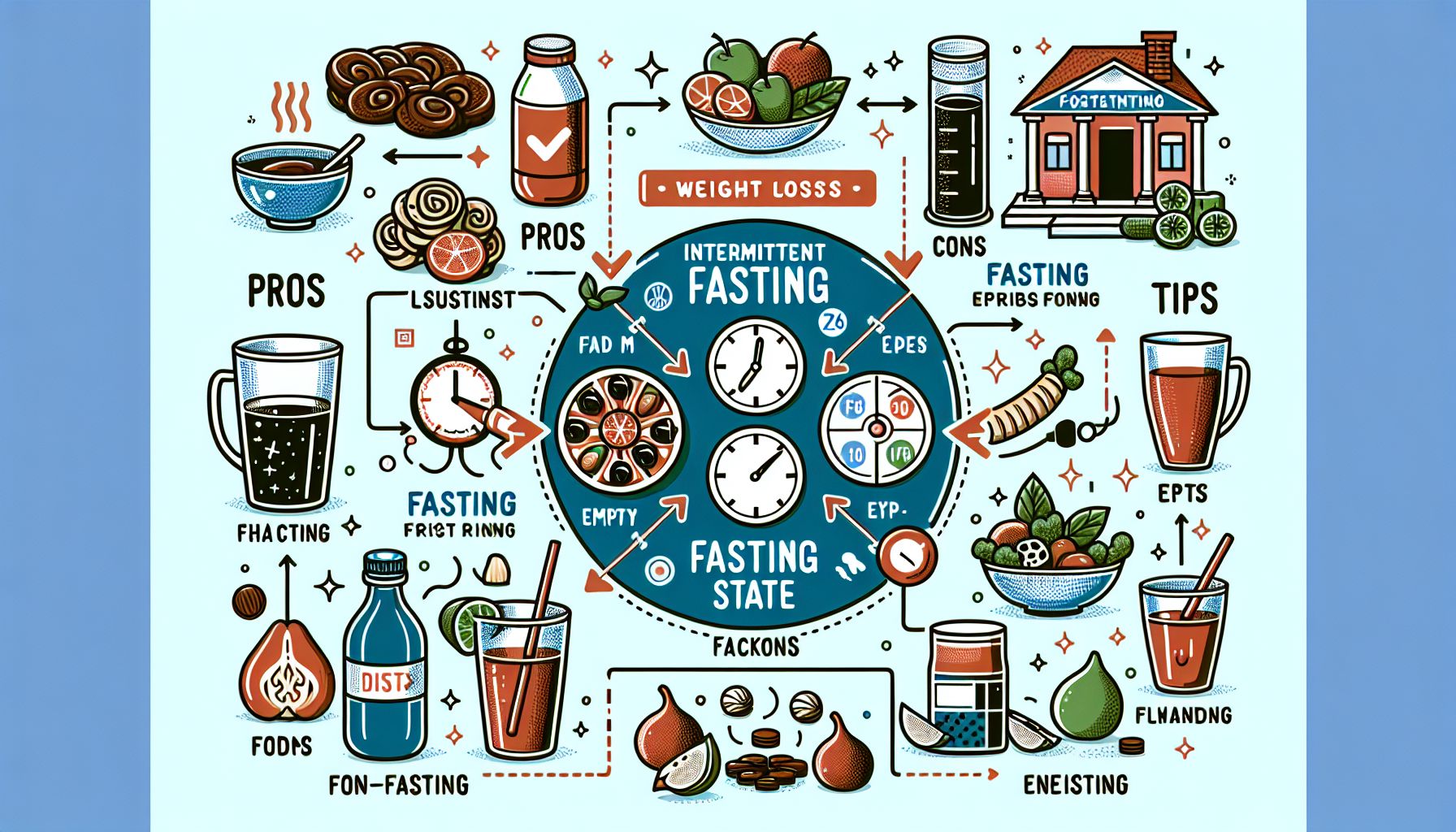
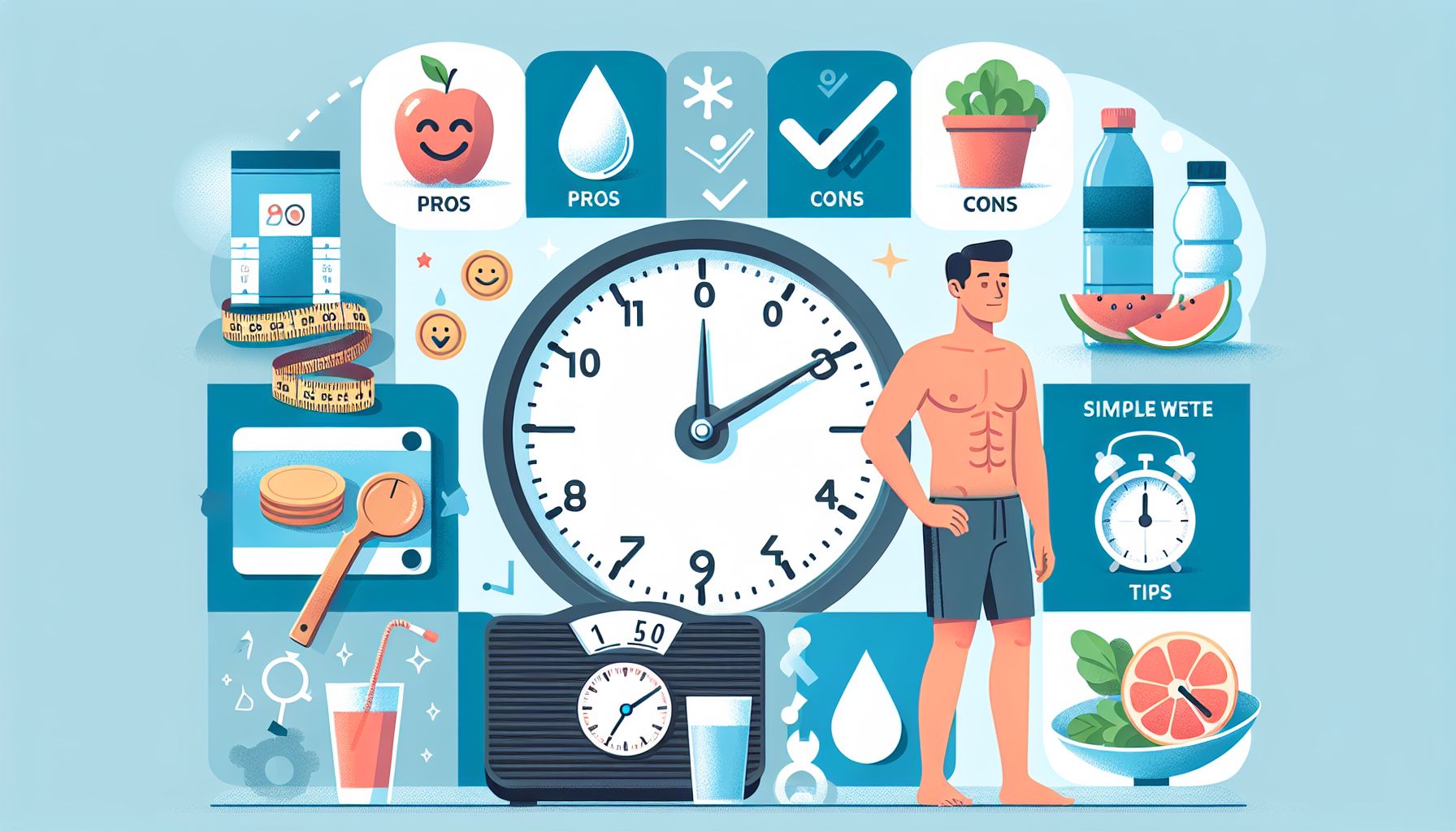
Intermittent fasting involves cycling between periods of eating and fasting. Unlike typical diets that restrict specific foods, IF focuses on when you eat. Common methods include:
- 16/8 Method: Fast for 16 hours and eat during an 8-hour window.
- 5:2 Diet: Eat normally for five days and restrict calories to 500-600 for two days.
- Eat-Stop-Eat: Fast for 24 hours once or twice a week.
People choose intermittent fasting for various reasons, including weight loss, better focus, and improved health markers.
Pros of Intermittent Fasting
1. Simple to Follow
Many find intermittent fasting easier than traditional diets. It does not require counting calories or following complicated meal plans. Simply choose your eating window and stick to it.
2. Promotes Weight Loss
Studies suggest that intermittent fasting can lead to weight loss. By limiting eating hours, people often consume fewer calories. Fasting also helps boost metabolism and enhances fat burning.
3. Improves Insulin Sensitivity
Fasting can lower insulin levels, which helps burn fat. Improved insulin sensitivity may reduce the risk of type 2 diabetes. Many people experience stable energy levels without spikes after meals.
4. Supports Heart Health
Research shows that intermittent fasting may improve heart health. It can lower blood pressure, cholesterol, and triglycerides. Fasting can also reduce markers of inflammation.
5. Enhances Mental Clarity
Some people report improved focus during fasting periods. Studies suggest that intermittent fasting may stimulate brain function. This boost may result from increased production of brain-derived neurotrophic factor (BDNF).
Cons of Intermittent Fasting
1. Hunger and Cravings
Initially, many experience hunger and cravings. Adjusting to a new eating pattern takes time. These feelings can be uncomfortable for some individuals.
2. Potential Nutrient Deficiency
If not planned carefully, intermittent fasting can lead to nutrient deficiencies. It is vital to consume balanced meals during eating periods. Focus on nutrition-dense foods to meet your body’s needs.
3. Disruption of Social Meals
Fasting can disrupt meal-sharing opportunities with friends and family. Social events often revolve around food, making it challenging to stick to fasting schedules.
4. Possible Overeating
Some individuals may overeat during eating windows. Binging can negate weight loss benefits. It is essential to practice portion control and mindful eating.
5. Not Suitable for Everyone
Intermittent fasting may not suit everyone. People with certain health conditions, pregnant or breastfeeding women, and individuals with a history of disordered eating should consult a healthcare professional before starting IF.
Tips for Successful Intermittent Fasting
1. Start Slow
If you are new to intermittent fasting, start slowly. Gradually increase fasting hours to help your body adjust. For instance, begin with a 12-hour fast and build up to 16 hours.
2. Stay Hydrated
During fasting periods, drink plenty of water. Staying hydrated helps manage hunger and boosts overall health. Herbal teas and black coffee are also good options without calories.
3. Plan Meals Wisely
Focus on balanced meals rich in protein, healthy fats, and fiber. Include plenty of vegetables, whole grains, and lean proteins. This combination keeps you fuller for longer.
4. Listen to Your Body
Pay attention to your body’s signals. If you feel dizzy or unwell during fasting, reevaluate your approach. It is vital to prioritize your health above any weight loss goals.
5. Be Flexible
Life can be unpredictable. It is okay to modify your fasting schedule as needed. Find what fits your lifestyle while maintaining your weight loss goals.
Conclusion
Intermittent fasting can be an effective weight loss tool. It is simple to follow, promotes fat burning, and offers several health benefits. However, it may not be suitable for everyone, and initial discomfort is common. Listen to your body and plan meals carefully. With the right approach, intermittent fasting can lead to successful weight loss and improved overall health.
For more resources and support on intermittent fasting and weight loss, read more.
Additional Resources
For further information about intermittent fasting and its effects, consider visiting these trustworthy sources:
- Healthline: What is Intermittent Fasting?
- Mayo Clinic: Intermittent Fasting: Health Benefits and Recommendations
- Cleveland Clinic: Intermittent Fasting: What is it and is it Healthy?